Jackson Heights
90-01 Roosevelt Ave. Queens, NY 11372
tel: 718-396-2005 | text: 718-500-4920
Woodside
53-14 Roosevelt Ave. Queens, NY 11377
tel: 718-396-2005 | text: 718-500-4920


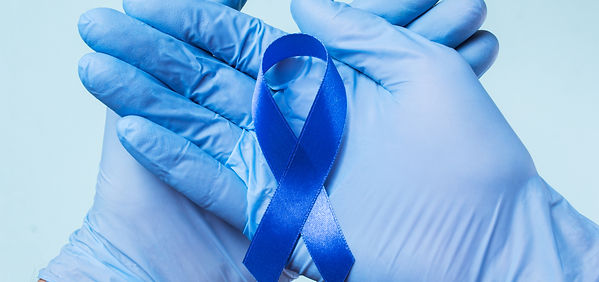
Colon Cancer Screening & Prevention
What Is colon cancer?
Colon cancer occurs when abnormal cells grow in the lining of the colon or rectum. Most colorectal cancers begin as polyps that may become cancerous over time. Routine screening can detect and remove polyps before cancer develops.
What are the symptoms of colon cancer?
-
Blood in the stool or rectal bleeding
-
Changes in bowel habits (constipation or diarrhea)
-
Persistent abdominal pain or cramping
-
Unexplained weight loss
-
Fatigue or weakness
-
Feeling that the bowel does not empty completely
-
Narrow or pencil-thin stools
How common is colon cancer?
According to the American Cancer Society, colorectal cancer is the third most commonly diagnosed cancer in both men and women in the United States.
What causes colon cancer?
Several factors may increase the risk of developing colon cancer, including:
-
Age over 45
-
Family history of colorectal cancer or colon polyps
-
Inflammatory bowel disease (Crohn's disease or ulcerative colitis)
-
Smoking
-
Obesity
-
Physical inactivity
-
Diets high in processed and red meats
-
Excessive alcohol consumption
-
Certain hereditary syndromes
-
Patient history of other cancer
-
Type 2 diabetes
How is colon cancer diagnosed?
Doctors may diagnose colon cancer using colonoscopy, stool-based screening tests, biopsies, and imaging studies. A colonoscopy remains the most effective screening tool because it can detect and remove precancerous polyps before they become cancerous.
On average, your risk for colon cancer is 1 in 21
Many people with early-stage colon cancer have no symptoms
What are colon polyps?
Colon polyps are abnormal growths in the lining of the colon. Most are harmless, but some can become cancerous over time. A colonoscopy allows doctors to detect and remove polyps before cancer develops.
When should you get screened for colon cancer?
Most adults at average risk should begin colon cancer screening at age 45. People with a family history of colorectal cancer, inflammatory bowel disease, or other risk factors may need screening earlier.
What is a colonoscopy?
A colonoscopy is the gold-standard screening test for colon cancer. It allows a gastroenterologist to detect and remove precancerous polyps before they become cancerous.
Schedule a colon cancer screening consultation with Dr. Aviles or Dr. Tenembaum today.


Ready to Schedule Your Appointment?
Choosing the right gastroenterologist matters. At Queens GI, we're committed to providing safe, high-quality care with a patient-first approach. From your first phone call through recovery, our team is here to answer your questions, explain every step, and make your experience as comfortable as possible.
Schedule your appointment today and take an important step toward protecting your long-term digestive health.