Jackson Heights
90-01 Roosevelt Ave. Queens, NY 11372
tel: 718-396-2005 | text: 718-500-4920
Woodside
53-14 Roosevelt Ave. Queens, NY 11377
tel: 718-396-2005 | text: 718-500-4920


Gastroesophageal Reflux Disease
What is GERD?
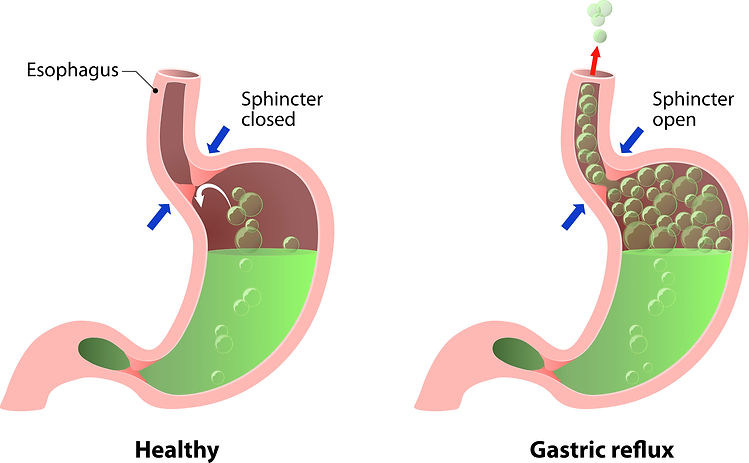
GERD (gastroesophageal reflux disease) is a chronic condition that occurs when stomach acid repeatedly flows back into the esophagus, causing symptoms such as heartburn, acid reflux, chest discomfort, and difficulty swallowing.
What are the symptoms of GERD?
Common GERD symptoms include:
-
Heartburn
-
Chest discomfort
-
Acid reflux or regurgitation
-
Difficulty swallowing
-
Sore throat
-
Chronic cough
-
Bad breath
-
Nausea
-
Bloating
What causes GERD?
GERD occurs when the lower esophageal sphincter (LES), the muscle between the esophagus and stomach, weakens or relaxes inappropriately, allowing stomach acid to flow backward into the esophagus.
Risk factors of GERD include:
-
Obesity
-
Hiatal hernia
-
Smoking
-
Pregnancy
-
Large meals
-
Fatty foods
-
Alcohol
-
Certain medications
When should you see a gastroenterologist for GERD?
You should see a gastroenterologist if you experience frequent heartburn, symptoms more than twice per week, difficulty swallowing, unexplained weight loss, persistent nausea, vomiting, anemia, or symptoms that do not improve with over-the-counter medications.
How is GERD diagnosed?
GERD may be diagnosed through a physical examination, symptom review, upper endoscopy, pH monitoring, or imaging studies. An endoscopy may be recommended to evaluate inflammation, ulcers, Barrett's esophagus, or other complications.
How Is GERD Treated?
GERD treatment may include lifestyle changes, dietary modifications, weight management, medications such as proton pump inhibitors (PPIs), and in some cases surgical intervention.
Lifestyle recommendations include:
-
Avoid eating before bedtime
-
Maintain a healthy weight
-
Limit trigger foods
-
Stop smoking
-
Elevate the head of the bed
-
Reduce alcohol consumption
Frequent heartburn or acid reflux may be a sign of GERD. Schedule an appointment with Dr. Tenembaum or Dr. Aviles to discuss your symptoms and treatment options.


Ready to Schedule Your Appointment?
Choosing the right gastroenterologist matters. At Queens GI, we're committed to providing safe, high-quality care with a patient-first approach. From your first phone call through recovery, our team is here to answer your questions, explain every step, and make your experience as comfortable as possible.
Schedule your appointment today and take an important step toward protecting your long-term digestive health.